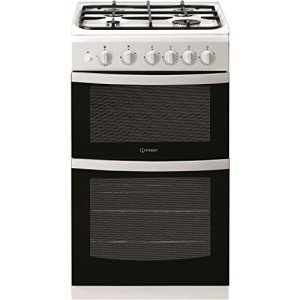
Gas Hob and Oven: A Comprehensive Guide
Gas hobs and ovens are essential kitchen devices that have actually been a long-standing option for home cooks and expert chefs alike. Their appeal originates from their efficiency, performance, and the level of control they offer over cooking temperature levels. In this short article, we explore the features, advantages, and factors to consider surrounding gas hobs and ovens, providing you with all the info needed to make an informed decision for your kitchen.
What is a Gas Hob?
A gas hob, frequently referred to as a gas cooktop, is a cooking appliance powered by gas or lp. It features burners of differing sizes that heat up pots and pans directly, enabling quick and precise temperature level control. Gas hobs can be found in various styles, consisting of built-in and freestanding models, fitting flawlessly into any kitchen layout.
Secret Features of Gas Hobs
- Immediate Heat Adjustment: Gas hobs offer instantaneous heat adjustment, permitting cooks to switch between low and high flames at a minute's notification.
- Range of Burner Sizes: Most gas hobs include burners of various sizes, accommodating various cooking needs, from simmering sauces to boiling water quickly.
- Constant Grates: Many models feature continuous grates that permit simple sliding of pots and pans from one burner to another.
- Safety Features: Most modern gas hobs are geared up with safety features such as flame failure devices, which are designed to automatically shut down gas supply if the flame heads out.
Advantages of Using a Gas Hob
- Efficiency: Gas hobs provide high heat output and lower cooking times, resulting in energy savings in the long run.
- Precision: The noticeable flame allows users to assess cooking temperature much better than electric cooktops, offering a more tactile cooking experience.
- Flexibility: Ideal for various cooking methods, including boiling, frying, simmering, and even sautéing.
What is a Gas Oven?
A gas oven is an appliance that uses gas as a heat source to cook food. Freestanding Gas Stove can be part of a stand-alone range or a built-in system. Gas ovens generally feature an open flame or gas broiler, supplying immediate heat and cooking efficiency.
Types of Gas Ovens
- Traditional Gas Oven: This type uses gas to heat the air inside the oven for baking and roasting.
- Convection Gas Oven: An improved version, it uses a fan to flow hot air around the food, resulting in quicker cooking times and more even heat distribution.
- Gas Range: Combines both a gas hob and an oven in a single appliance.
Key Features of Gas Ovens
- Direct Heat Cooking: Emulates the open flame cooking method, ideal for accomplishing caramelization and browning.
- Easy Temperature Control: Most models permit for accurate temperature settings, guaranteeing constant cooking results.
- Broiling Capability: Gas ovens generally include a broiler function that allows users to prepare food quickly at a heat.
Benefits of Using a Gas Oven
- Cost-Effective: Generally, operating a gas oven expenses less than its electrical counterpart, especially in areas where gas is affordable.
- Faster Preheat Times: Gas ovens tend to pre-heat faster than electric ones, saving time when beginning a dish.
- Perfect for Baking: Gas ovens create moisture during baking, preventing cakes from drying out.
Table: Comparison of Gas Hobs and Ovens
| Function | Gas Hob | Gas Oven |
|---|---|---|
| Heat Source | Burner | Gas flames |
| Temperature level Control | Instant heat change | Accurate temperature level settings |
| Cooking Methods | Boiling, frying, sautéing | Baking, roasting, broiling |
| Efficiency | High heat output | Cost-effective operation |
| Preheat Time | No preheat required | Faster pre-heating |
| Safety Features | Flame failure device | Auto shut-off (in some models) |
Considerations When Choosing Gas Hobs and Ovens
When picking the right gas hob and oven, consider the following:
- Space Availability: Ensure sufficient area in your kitchen for the gas hob and oven layout you choose.
- Cooking Habits: Assess your cooking design and needs to figure out which features are essential.
- Fuel Connection: Check for natural gas lines in your home or consider a gas conversion.
- Maintenance: Regular cleaning and upkeep of gas devices are essential for safety and longevity.
- Brand Reputation and Warranty: Research brands known for dependability and client service, and make sure that guarantees cover important parts.
Frequently Asked Questions About Gas Hobs and Ovens
1. Are gas hobs and ovens safe to utilize?
Yes, gas hobs and ovens are safe to use when set up properly by a professional. Routine upkeep is also important to guarantee safe operation.
2. How do I clean up a gas hob or oven?
For gas hobs, remove the grates and burners, then wipe the surface with a moist fabric and moderate detergent. For ovens, use oven cleaners according to the maker's instructions, ensuring that the gas supply is shut off.
3. Can I convert my electric oven to a gas oven?
In many cases, it's possible to transform electrical ovens to gas, however this needs professional setup and might include additional adjustments to your kitchen.
4. Which is more energy-efficient, gas or electric?
Gas devices tend to be more energy-efficient when it concerns cooking since they supply direct heat. Nevertheless, considering regional fuel prices is necessary for an appropriate expense comparison.
5. What features should I try to find when acquiring a gas oven?
Look for features such as even heat distribution, self-cleaning functions, multiple cooking methods (like convection), and dependability.
Gas hobs and ovens stay a popular choice for their performance, precision, and adaptability. With the best info and careful consideration, house owners can choose the ideal mix of gas cooking appliances to boost their cooking abilities. Investing in quality gas hobs and ovens can change your cooking experience, making it more enjoyable and efficient.